Understanding MOQ in Belt Manufacturing: A Guide for Emerging Brands
For emerging fashion brands and private-label retailers, one of the most common questions when sourcing belts from manufacturers is MOQ (Minimum Order Quantity).
Many startup brands are surprised to learn that manufacturers require a minimum order quantity for each design. However, MOQ is not simply a factory policy—it is closely tied to material sourcing, production efficiency, and hardware development costs.
At GZNIUS, a professional belt manufacturer in China specializing in high-end OEM/ODM belt production, we work with both established global brands and emerging fashion labels. Over the years, we’ve developed a flexible production approach that helps smaller brands manage MOQ challenges while maintaining premium quality.
This guide explains why MOQ exists in belt manufacturing and how new brands can navigate it effectively.
What Does MOQ Mean in Belt Manufacturing?
MOQ stands for Minimum Order Quantity, which refers to the lowest number of units a manufacturer can produce per order or per design while keeping production efficient and cost-effective.
In belt manufacturing, MOQ usually applies to:
- A specific belt style
- A particular leather color
- A custom buckle design
- A branded packaging configuration
For most OEM belt projects, the MOQ typically ranges between 300 and 500 pieces per style, although this can vary depending on customization requirements.
Why Belt Manufacturers Require MOQ
MOQ requirements exist because belt production involves several upstream supply chain constraints.
Below are the main reasons manufacturers set minimum order quantities.
1. Leather Procurement Requirements
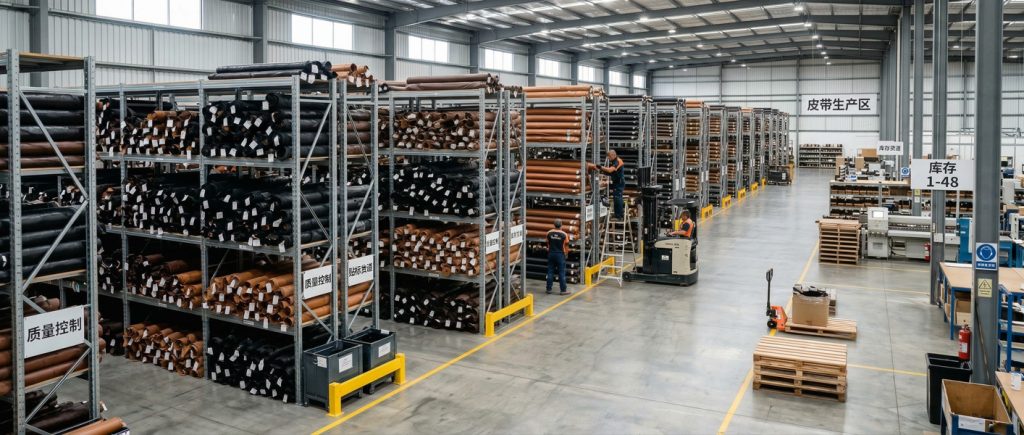
Leather suppliers usually sell hides or leather rolls in minimum batch sizes.
If a brand orders only a very small quantity, it may not meet the supplier’s minimum purchase requirement. Additionally, leather hides naturally vary in size and yield, meaning manufacturers must buy extra material to ensure color and quality consistency.
2. Custom Hardware Mold Development
Many belt brands request custom buckles with logos or unique shapes.
These buckles are typically produced through die-casting molds, which require upfront tooling costs.
Because mold development involves engineering, machining, and testing, factories must distribute this cost across a certain number of units.
Smaller orders would make the cost per belt unreasonably high, which is why MOQ exists.
3. Production Efficiency
Manufacturing belts involves multiple processes such as:
- Leather cutting
- Edge finishing
- Stitching
- Buckle assembly
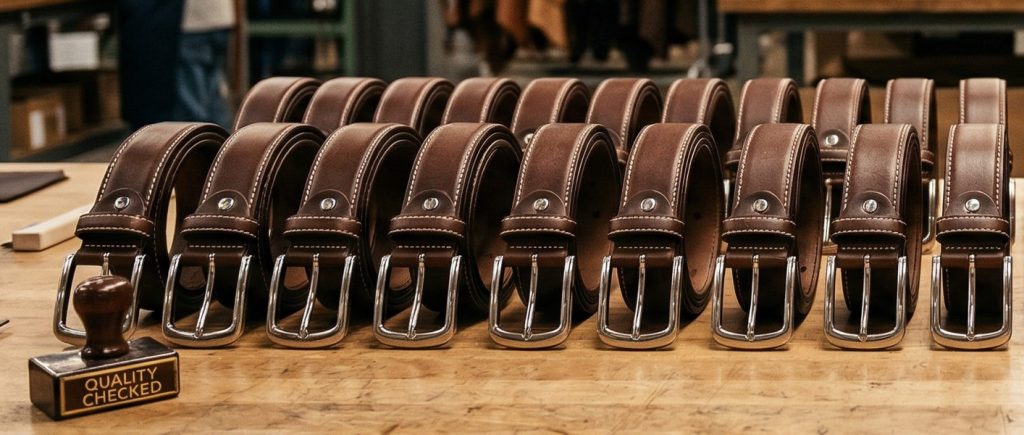
- Quality inspection
Production lines are designed to run efficiently at certain volumes. Extremely small orders disrupt workflow and increase per-unit labor costs.
4. Surface Finishing and Plating Batches
Hardware finishing processes such as electroplating and coating are performed in batch production.
Factories must run plating equipment with a minimum load to ensure consistent color and coating quality.
Typical MOQ Differences in Belt Manufacturing
he MOQ may vary depending on the level of customization.
| Belt Type | Typical MOQ | Reason |
|---|---|---|
| Stock buckle + standard leather | 150–300 pcs | Existing materials available |
| Custom leather color | 300–500 pcs | Leather sourcing requirements |
| Custom buckle design | 500+ pcs | Mold development needed |
| Fully customized belt | 500–800 pcs | Multiple supply chain factors |
Understanding these variations helps brands plan product development and inventory strategies more effectively.
How GZNIUS Helps Emerging Brands Solve MOQ Challenges
At GZNIUS, we understand that many new fashion brands and e-commerce startups cannot begin with very large orders.
To support emerging brands, we have developed a flexible supply chain model that helps reduce MOQ barriers.
1. Shared Leather Sourcing
We maintain partnerships with multiple leather suppliers and regularly purchase common leather types and colors in bulk.
This allows smaller brands to use existing leather inventory, significantly lowering MOQ requirements.
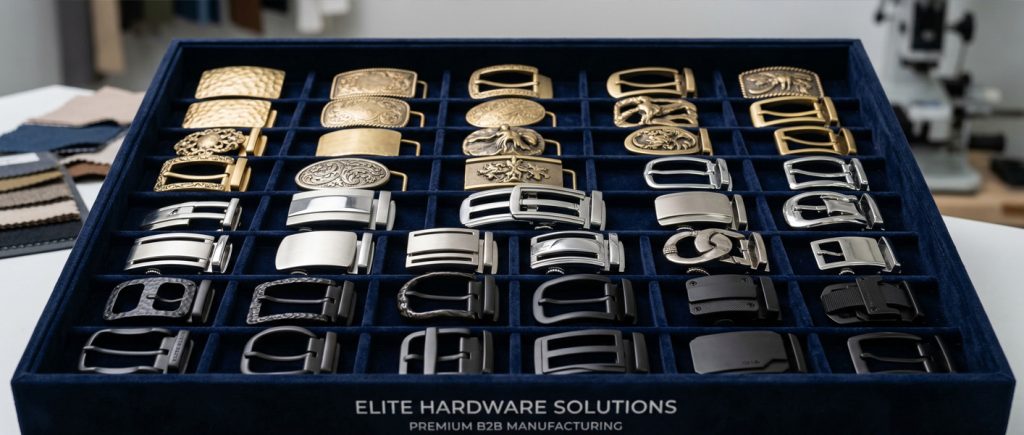
2. Existing Buckle Mold Library
Over years of belt production, we have developed a large library of existing buckle molds.
Brands can select from these designs and simply add custom logos or finishing, avoiding expensive mold development.
3. Modular Belt Design
Many belts can be produced using standardized components.
For example:
- Standard strap widths
- Existing buckle structures
- Flexible leather options
This modular approach allows brands to create distinctive products while keeping MOQ manageable.
4. Flexible Production Scheduling
Our production planning system allows us to combine multiple orders within a production cycle, improving efficiency while accommodating smaller orders.
This strategy helps emerging brands launch products without excessive inventory risk.
Choosing the Right Manufacturer Matters
For new brands entering the belt market, choosing the right manufacturing partner is crucial.
An experienced OEM/ODM factory can help brands:
- Optimize product design for manufacturability
- Select materials that reduce MOQ pressure
- Balance customization with cost efficiency
- Plan scalable production strategies
At GZNIUS, we work closely with our partners to develop long-term production solutions, not just one-time orders.
FAQ
1. What is the typical MOQ for custom belts?
For most OEM belt projects, the MOQ ranges from 300 to 500 pieces per design, depending on leather sourcing and hardware customization.
2. Can startups order smaller quantities?
Yes. By using existing buckle molds, shared materials, or modular designs, it is often possible to reduce MOQ requirements.
3. Does MOQ affect product price?
Yes. Smaller orders generally have higher per-unit costs because fixed expenses such as tooling and setup must be spread across fewer units.
Start Your Belt Project With GZNIUS
If you’re launching a new belt brand or expanding your product line, working with an experienced manufacturer can make the process significantly easier.
At GZNIUS, we specialize in high-end OEM/ODM belt manufacturing and offer flexible solutions that help emerging brands overcome MOQ challenges.
From material selection and buckle development to scalable production, our team supports brands at every stage.
Contact GZNIUS today to request a free quotation and explore flexible MOQ options for your next belt collection.