
As global consumers become increasingly environmentally conscious, sustainability has become a key factor in product development for fashion brands and retailers. In markets such as North America and Europe, buyers and consumers are paying closer attention to how products are made—especially when it comes to leather goods.
For belt brands, adopting eco-friendly manufacturing practices is no longer just a trend; it is quickly becoming an industry expectation.
At GZNIUS, a professional belt manufacturer in China specializing in high-end OEM/ODM leather belt production, we work with international brands to integrate sustainable materials and responsible manufacturing processes into their product lines.
In this article, we explore how modern belt manufacturers are adopting eco-conscious practices in 2026, and how brands can incorporate sustainability into their leather belt collections.
Why Sustainability Matters in the Leather Belt Industry
Environmental standards in the fashion industry continue to evolve. Many international retailers now require suppliers to meet strict environmental and material compliance standards.
Key sustainability considerations include:
- Environmentally responsible leather tanning
- Safer metal finishing processes
- Reduced chemical usage
- Recyclable packaging materials
Brands that adopt sustainable practices often gain advantages such as:
- Stronger brand reputation
- Compliance with international regulations
- Increased consumer trust
For OEM/ODM partners, working with manufacturers who understand these requirements is essential.
Key Eco-Friendly Practices in Modern Belt Manufacturing
Leading belt manufacturers are implementing multiple strategies to reduce environmental impact while maintaining product quality.
Below are several important sustainability practices used in premium belt production.
1. Vegetable-Tanned Leather (Eco-Friendly Leather Processing)
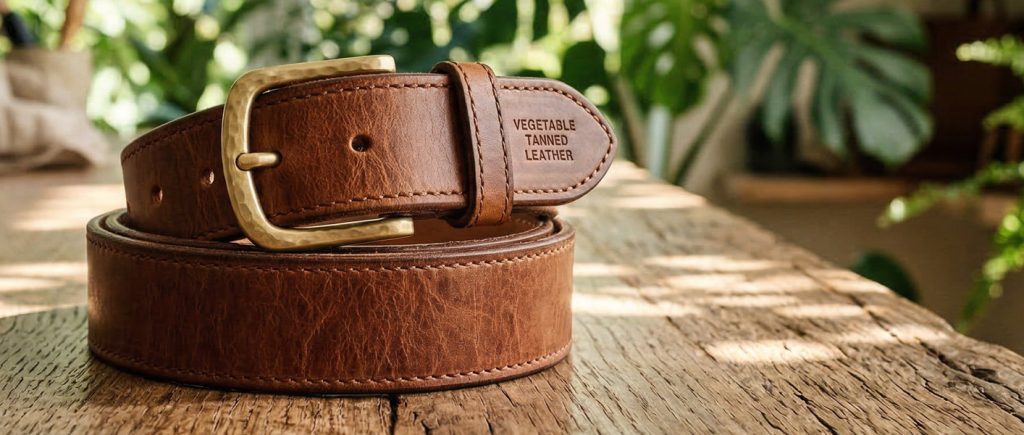
One of the most environmentally responsible leather options is vegetable-tanned leather.
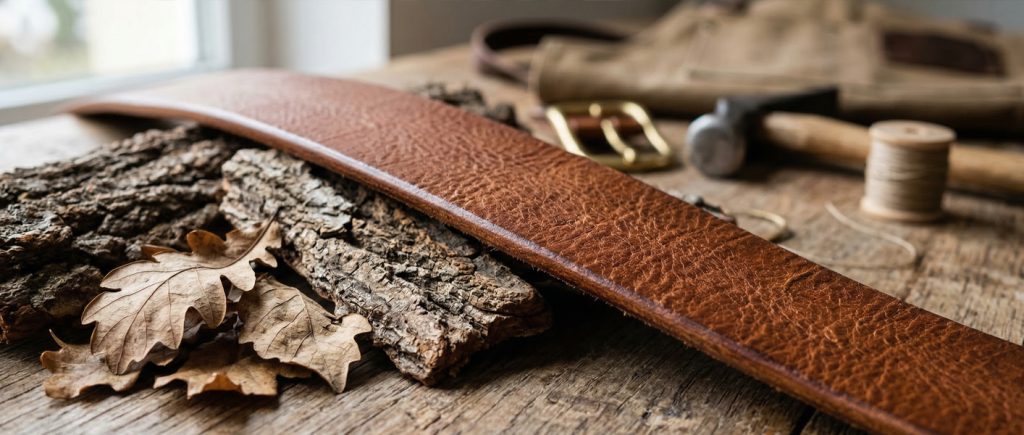
Unlike chrome tanning, vegetable tanning uses natural plant-based tannins extracted from materials such as tree bark and leaves.
Benefits include:
- Reduced chemical pollution
- Natural leather aging and patina
- Biodegradable properties
- Classic premium leather appearance
Vegetable-tanned leather is particularly popular in heritage-style belts and premium leather goods.
2. Nickel-Free and Eco-Friendly Hardware Plating
Metal buckles and hardware require surface treatments such as electroplating. However, traditional plating processes may contain substances restricted by environmental regulations.
To meet international compliance standards, many manufacturers now use:
- Nickel-free electroplating
- Low-toxicity coating materials
- Improved waste treatment systems
Nickel-free finishes help:
- Reduce environmental impact
- Comply with international standards such as EU regulations
- Prevent allergic reactions for consumers
This approach ensures belt hardware meets both durability and sustainability requirements.
3. Recyclable and Minimalist Packaging
Sustainable packaging is another important element of eco-friendly manufacturing.
Many brands are transitioning to packaging solutions such as:
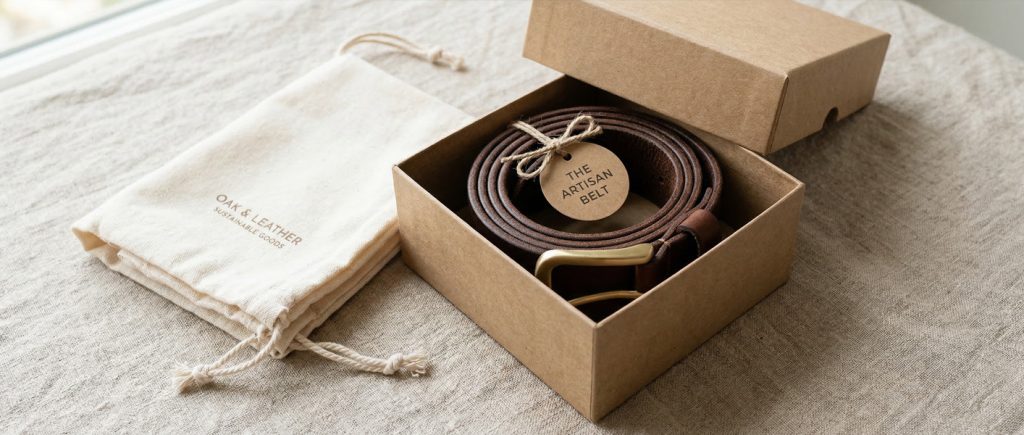
- Recyclable cardboard boxes
- Biodegradable packaging materials
- Minimal plastic usage
- Eco-friendly printing inks
These changes help reduce waste and environmental impact while still maintaining a professional retail presentation.
Sustainable vs Traditional Belt Manufacturing
The following comparison highlights the key differences between traditional production methods and sustainable practices.
| Production Aspect | Traditional Manufacturing | Sustainable Manufacturing |
|---|---|---|
| Leather Tanning | Chrome tanning | Vegetable-tanned leather options |
| Hardware Plating | Standard plating | Nickel-free eco plating |
| Packaging | Plastic-heavy packaging | Recyclable materials |
| Environmental Compliance | Basic compliance | International eco standards |
| Brand Perception | Standard product | Eco-conscious brand image |
For brands targeting environmentally conscious consumers, adopting sustainable production practices can significantly improve brand value and market positioning.
Core Sustainability Principles at GZNIUS
At GZNIUS, we understand that many of our international partners prioritize responsible manufacturing and environmental compliance.
Our approach to sustainability focuses on several core principles:
1. Responsible Material Selection
We offer leather options that include vegetable-tanned and environmentally responsible materials.
2. Eco-Friendly Hardware Finishing
Our hardware production partners support nickel-free plating and compliant finishing processes.
3. Reduced Environmental Impact
We continuously optimize production methods to reduce material waste and chemical usage.
4. Sustainable Packaging Options
We provide recyclable and customizable packaging solutions for brands seeking environmentally responsible alternatives.
Through these practices, we help brands produce leather belts that align with modern sustainability expectations in global markets.
The Future of Sustainable Belt Manufacturing
Looking ahead, sustainability will continue to shape the leather goods industry.
Brands that proactively adopt eco-friendly practices will likely benefit from:
- Stronger consumer loyalty
- Improved regulatory compliance
- Increased retail opportunities
Manufacturers that invest in sustainable production processes will play a critical role in helping brands adapt to these evolving market demands.
FAQ
1. Is vegetable-tanned leather more environmentally friendly?
Yes. Vegetable tanning uses natural plant-based tannins instead of heavy chemicals, making it a more environmentally responsible leather processing method.
2. What does nickel-free plating mean for belt hardware?
Nickel-free plating eliminates the use of nickel in the electroplating process, helping reduce allergy risks and environmental impact.
3. Can sustainable belts still meet premium quality standards?
Absolutely. Sustainable materials such as vegetable-tanned leather and eco-friendly finishes can still deliver excellent durability and a premium appearance.
Partner With GZNIUS for Sustainable Belt Manufacturing
If your brand is looking to develop eco-conscious leather belts for global markets, choosing a manufacturer that understands sustainable production is essential.
At GZNIUS, we provide professional OEM/ODM belt manufacturing services, offering environmentally responsible material options, high-quality craftsmanship, and reliable production support.
Contact GZNIUS today to request a free quotation and start building your sustainable belt collection.